PMCB Extended Producer Responsibility (EPR)
The Challenges of the PMCB EPR Scheme for Construction-Sector Stakeholders
Why was the PMCB EPR scheme introduced?
Obligations for Contractors and Tradespeople
This represents a major shift for the construction sector and affects every stakeholder: roles are changing, and the law requires new skills. From a logistical and financial perspective, these new responsibilities create additional costs for businesses. Waste treatment can be a significant expense, on top of the investment needed to train on-site teams in the new sorting and management rules. Businesses must also ensure that their sites comply with the sorting standards imposed under the EPR scheme. This may require changes to working methods, the purchase of new collection equipment, or even environmental certification for construction sites. Finally, managing the available space and the area required to install collection equipment is crucial.
Opportunities for Waste Management Companies and Inert-Waste Facilities
The emergence of EPR schemes by sector and activity has led to the creation of numerous Producer Responsibility Organisations (PROs). Those presented below provide solutions tailored to each type of waste:
- Building Products and Materials (PMCB)
- DIY and gardening products (ABJ)
- Waste from furniture and furnishing items (DEA)
- Waste Electrical and Electronic Equipment (WEEE/DEEE)
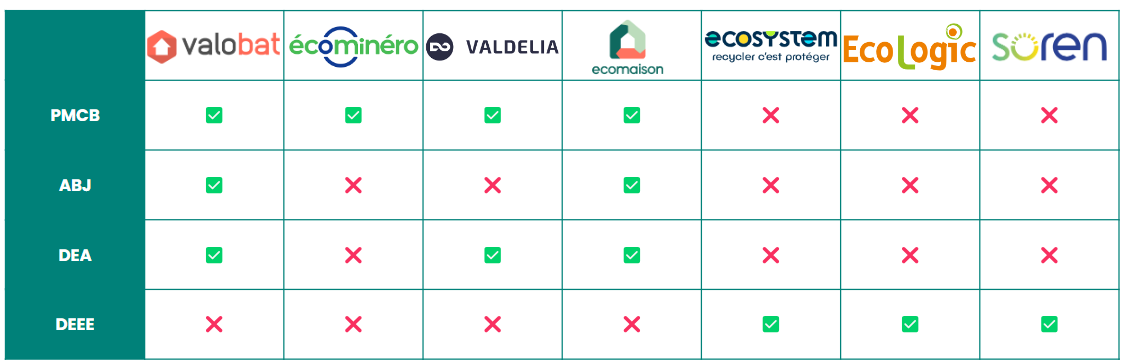
Comparison of Producer Responsibility Organisations in France by waste type.
How the PMCB EPR Scheme Is Transforming Waste Management
Nationwide Coverage and Collection Points
less than 5 km away.
Map of Valobat collection points in France, shown as red dots. Source: https://www.valobat.fr/en/collection-point/
This system makes material take-back more accessible to professionals, allowing them to drop off waste near their supply points or work sites and thereby reduce logistics and transport costs.
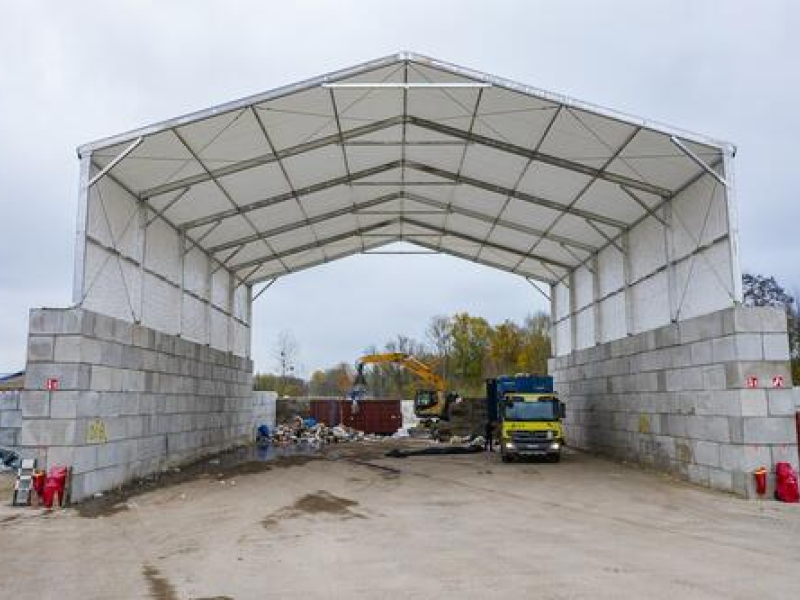
For waste collection centres and waste management companies, this network requires closer coordination with distributors and Producer Responsibility Organisations such as Valobat, which finance and organise collection at no cost to users. In addition to this cooperation, sites often need to be reorganised to include optimised waste-storage areas. This includes strict compliance with safety requirements such as fire-prevention measures, as well as covering storage areas to protect materials from the weather and preserve their quality.
The Changing Role of Recycling and Selective Deconstruction Professionals
The introduction of the PMCB EPR scheme is profoundly changing recycling professions and requires new methods, particularly selective deconstruction. This approach consists of dismantling buildings while separating the different materials—such as inert waste, wood, metals and plaster—as soon as they are collected, in order to ensure optimal sorting at source. PMCB EPR requirements improve the quality of collected waste by imposing strict standards to support reuse or recycling. Containers, for example, must be suitable for their contents, while inert waste and metals must be collected separately to ensure the best possible recovery.
This transformation has a direct impact on sorting and recycling professionals. Roles are evolving, and workers must develop new skills to master the new standards. On-site teams must be trained in the new quality criteria and selective-deconstruction techniques, ensuring traceability and compliance with PMCB EPR standards.
How OTEXIO Can Help Meet PMCB EPR Requirements
A Range of Containers Designed for the New Requirements
OTEXIO offers a range of containers designed to meet the new waste-management requirements.
Protective Covers: Watertightness and Strength
The 70 µm low-density polyethylene covers provide excellent sealing for powdery products and protect against moisture, grease and residue. Suitable for containers of all shapes—including cartons, pallet boxes and Big Bags—they offer high resistance to deformation and tearing.
Big Bags: Versatility and Durability
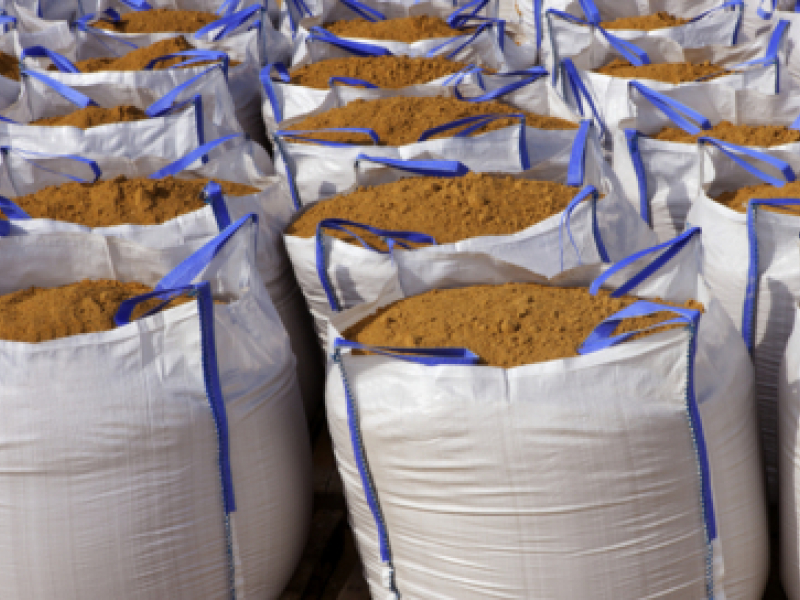
OTEXIO Big Bags, with their various filling, discharge and UV-treatment options, are ideal for transporting and storing construction-site waste. Their reusability and strength make them a practical and durable solution suitable for heavy loads.
Drums and IBC Tanks: Responsible Reuse
As part of the PMCB EPR scheme, OTEXIO has developed a reuse programme for non-hazardous industrial packaging, including Big Bags, IBC tanks, and plastic and metal drums. This “One Waste for One Waste” initiative makes it possible to reuse these containers for materials such as rubble or sludge, reducing waste generation, conserving resources and delivering cost savings.
BTEX®: Foldable Skip
BTEX® is an OTEXIO innovation that revolutionises waste storage. It is a foldable, drainable and stackable skip. This solution provides exceptional space optimisation for waste management.
Introducing the COVERLINE Range
OTEXIO’s COVERLINE® range offers modular solutions, including tunnels and domes, specifically designed to protect materials and waste on construction sites and at collection points. These metal-textile covers are ideal for meeting the needs of construction professionals, providing long-lasting protection from the weather and a solution adaptable to any type of site. Whether used for non-hazardous industrial waste (DIB), wood, plaster or organic materials, COVERLINE shelters provide a watertight, ventilated and durable cover, with structures made to measure according to each project’s dimensions and specific requirements.


COVERLINE helps businesses comply with the strict requirements of the PMCB EPR scheme by ensuring safe and optimised storage of sorted materials. With its retractable covering solutions, such as RCOVER®BOX, COVERLINE provides a fully watertight cover for waste, protecting it from the weather. These covers can be opened and closed in less than one minute and also remove the need for businesses to construct buildings that require planning permission, saving time and optimising operating costs.
Conclusion
In conclusion, the PMCB EPR scheme imposes new obligations on construction-sector stakeholders, particularly in relation to waste sorting and management. These challenges are also opportunities to transform construction-site waste management and adopt more sustainable practices. Through innovative solutions such as its COVERLINE range and Big Bags, OTEXIO provides contractors, waste management companies and inert-waste facilities with modular structures and flexible, space-saving, durable containers that comply with EPR requirements.
To discover how COVERLINE and the rest of the Big Bag range can transform your operations and help you meet PMCB EPR requirements, contact OTEXIO to request a tailored quotation or arrange a demonstration. Together, we can meet tomorrow’s challenges and implement sustainable solutions for your construction sites.
When you contact us or request a quotation, your information is processed in accordance with our personal data protection policy.